
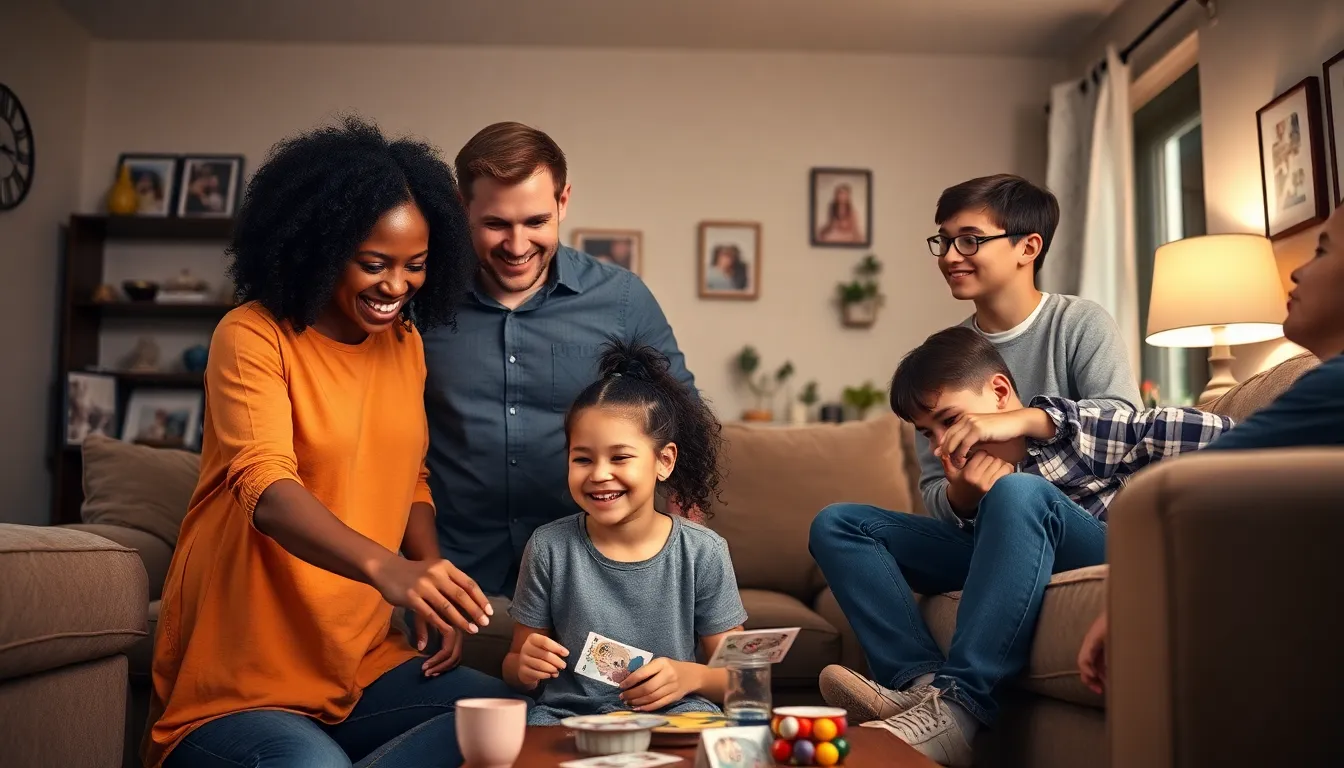
Family dynamics shape the relationships and interactions within a family unit, influencing everything from communication styles to emotional support. Understanding these dynamics is crucial for fostering healthy relationships and ensuring a nurturing environment for all members. Each family has its unique blend of personalities, roles, and experiences that contribute to its overall atmosphere.
As society evolves, so do family structures and dynamics. Traditional roles are being redefined, and new forms of family units are emerging, bringing both challenges and opportunities for growth. By exploring the intricacies of family dynamics, individuals can gain insights into their own relationships and learn how to navigate the complexities of familial bonds.
Table of Contents
ToggleUnderstanding Family Dynamics
Family dynamics refer to the patterns of interactions and relationships among family members. Understanding these dynamics provides insight into how these relationships influence emotional well-being and social development.
Definition of Family Dynamics
Family dynamics encompass the behaviors, values, and emotional interactions that define relationships within a family unit. Factors such as communication styles, roles, power dynamics, and cultural influences shape these relationships. For example, a supportive family climate promotes open dialogue and emotional expression, while hierarchies can lead to conflicts and misunderstandings.
Importance of Family Dynamics
Grasping the significance of family dynamics is crucial for fostering healthy relationships. Positive dynamics contribute to emotional security and resilience among family members. Understanding these connections allows individuals to recognize patterns that may affect behavior. For instance, supportive interactions encourage cooperation, while negative dynamics can lead to stress and dysfunction. Navigating these complexities enables families to adapt and thrive amidst changing societal norms.
Factors Influencing Family Dynamics
Several key factors influence family dynamics, impacting how family members interact and relate to one another. Understanding these factors aids in recognizing the complexities within family relationships.
Communication Styles
Communication styles shape family dynamics by determining how family members express thoughts and feelings. Open and honest communication fosters trust and connection, while poor communication leads to misunderstandings and conflict. Families that encourage active listening and empathetic responses experience more harmonious interactions. For example, families utilizing positive reinforcement over criticism often cultivate a supportive atmosphere.
Parenting Approaches
Parenting approaches significantly affect family structure and relationships. Authoritative parenting, characterized by warmth and structure, tends to promote healthy emotional development in children. In contrast, authoritarian or permissive styles can create tension and confusion. The balance of nurturing and discipline influences behavior and emotional health within the family. For example, families employing consistent rules while providing emotional support often see stronger family bonds.
Cultural Influences
Cultural influences shape family dynamics by establishing norms and values regarding family roles and relationships. Different cultures emphasize various aspects of family interaction, affecting everything from communication to child-rearing practices. For instance, collectivist cultures often prioritize family harmony and community, while individualistic cultures may encourage independence and personal achievement. Understanding these cultural contexts can help families navigate their dynamics and foster mutual respect.
The Role of Family Structure
Family structure significantly influences the dynamics within a household. Different configurations create distinct patterns of interaction among members, affecting emotional well-being and social development.
Types of Family Structures
- Nuclear Families consist of two parents and their children, promoting direct communication and a clear hierarchy.
- Extended Families include additional relatives like grandparents, aunts, and uncles, fostering resource sharing and broader support networks.
- Single-Parent Families have one parent raising children, often requiring strong resilience and adaptability from both the adult and the children.
- Blended Families arise from remarriages, combining children from previous relationships, necessitating negotiation of new roles and relationships.
- Childless Families focus on couples without children, which may prioritize relationship dynamics differently compared to families with kids.
Impact on Family Dynamics
Family structure directly shapes communication styles, emotional support, and conflict resolution. In nuclear families, members often communicate openly, facilitating emotional connections. Extended families create support systems, enhancing emotional resilience during challenges. Single-parent families may experience heightened stress due to limited resources, but they often cultivate strong bonds through shared experiences. Blended families pose unique dynamics, often requiring negotiation of new roles, potentially leading to both conflict and growth. Childless families might focus more on partner dynamics, investing energy in their relationship rather than child-rearing.
Each family structure presents opportunities and challenges, deeply influencing overall family dynamics. Understanding these structures aids in fostering healthier interactions and improving emotional well-being among family members.
Challenges in Family Dynamics
Family dynamics often face challenges that affect relationships among members. Recognizing these issues is vital for creating a harmonious environment.
Common Conflicts
Common conflicts arise from differing communication styles, expectations, and unresolved grievances. Misunderstandings can stem from unclear expressions of emotions or needs. Different parenting approaches can lead to disagreements about discipline and boundaries. Sibling rivalry frequently occurs, fueled by competition for attention or resources. Financial stress can exacerbate these conflicts, as differing views on spending and saving create tension. Recognizing and addressing these types of conflicts fosters healthier communication and deeper understanding among family members.
Effects of External Stressors
External stressors significantly impact family dynamics. Economic pressures, job-related stress, and societal expectations often interfere with family interactions. Changes such as relocation or job loss can strain relationships as family members navigate uncertainty. Additionally, health issues, whether physical or mental, place considerable emotional burdens on families, influencing the overall atmosphere. Social media and technology use can lead to distractions and decreased face-to-face communication, further complicating relationships. Acknowledging and managing these external stressors is crucial for maintaining positive interactions within families.
Strategies for Healthy Family Dynamics
Healthy family dynamics thrive on effective communication and strong relationships. Implementing strategies in these areas can significantly improve interactions and emotional well-being among family members.
Effective Communication Techniques
Effective communication serves as the foundation for healthy family dynamics. Key techniques include:
- Active Listening: Family members should give full attention when someone speaks, demonstrating understanding and respect.
- Open-Ended Questions: Asking questions that require more than a yes or no response encourages deeper conversation and connection.
- Clear Expression: Family members must articulate their thoughts and feelings honestly, avoiding vague language to minimize misunderstandings.
- Nonverbal Cues: Body language, facial expressions, and tone of voice must align with verbal communication to enhance clarity.
- Avoiding Assumptions: Assumptions about motives or feelings can lead to conflict; seeking clarification can prevent misunderstandings.
Building Strong Relationships
- Quality Time: Spending meaningful time together, whether through shared meals or recreational activities, strengthens bonds.
- Expressing Affection: Regular expressions of love and appreciation can improve emotional connection among family members.
- Setting Boundaries: Establishing clear boundaries creates a sense of safety and respect, reducing conflict and misunderstandings.
- Resolving Conflicts Constructively: Addressing disagreements promptly and respectfully encourages healthier resolutions and prevents resentment.
- Encouraging Individuality: Supporting each family member’s interests and growth fosters a sense of belonging while respecting individual identities.
Understanding family dynamics is crucial for nurturing strong relationships and creating a supportive environment. As families navigate the complexities of modern life they must adapt to changing roles and structures. By recognizing the factors that influence interactions and employing effective communication strategies families can overcome challenges and foster emotional well-being.
Prioritizing quality time and open dialogue strengthens bonds and promotes resilience. Ultimately a commitment to understanding and improving family dynamics can lead to healthier relationships and a more harmonious household. Embracing these principles allows families to thrive amidst life’s uncertainties and changes.