
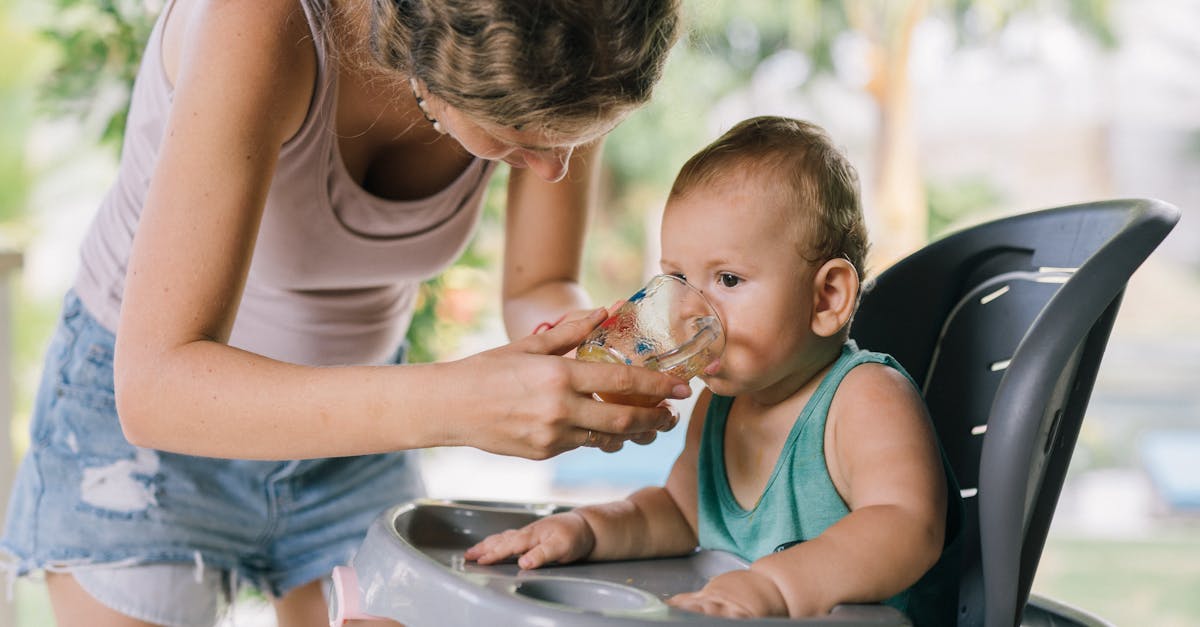
Watching a baby grow up is like witnessing a live-action comedy show where the star is both adorable and unpredictable. One minute, they’re cooing and giggling, and the next, they’re throwing a tantrum over a misplaced sock. It’s a wild ride filled with milestones that make parents laugh, cry, and sometimes question their sanity.
As they transition from wobbly crawlers to confident walkers, each stage brings its own set of challenges and joys. From first words that might sound like gibberish to epic food battles at mealtime, these moments shape not just their lives but the lives of everyone around them. Get ready to explore the hilarious and heartwarming journey of baby growing up, where every giggle and grumble is a step toward becoming a little human with big dreams.
Table of Contents
ToggleStages of Baby Growing Up
Each stage of growth presents unique experiences, joys, and challenges for both the baby and parents. Understanding these stages clarifies the development process.
Infancy
Infants typically span the first year of life. During this time, they develop crucial abilities like holding their head up, rolling over, and recognizing faces. These milestones often occur around two to three months for head control and six months for rolling. Communication begins as cooing, followed by babbling, which sets the foundation for later speech. Sleep patterns shift, with many infants sleeping through the night by six months, easing parental fatigue. Nutrition focuses primarily on breast milk or formula, introducing solid foods usually around six months. Growth during infancy is rapid, often resulting in weight doubling by five months.
Toddlerhood
Toddlerhood generally encompasses ages one to three. This stage features significant physical and cognitive development, with walking typically starting around twelve months. Language skills bloom, with toddlers learning new words daily, leading to simple sentences by age two. Independence grows as they assert preferences and explore their surroundings, resulting in parallel play with peers. Social interactions emerge, making interactions with caregivers vital. Routine adjustments are common, as toddlers start to exhibit temper tantrums and mood swings, laying foundational emotional regulation skills. Nutrition expands to include a variety of solid foods, encouraging healthy eating habits early on.
Milestones in Baby Growing Up
Significant milestones mark a baby’s growth journey, showcasing the progress in both physical and cognitive development.
Physical Development
Growth in physical abilities occurs in stages. Babies typically master head control by three months, allowing them to explore their surroundings. Rolling over often happens between four and six months, fostering mobility. By twelve months, most babies walk, transforming exploration into a new adventure. Coordination continues to improve as they navigate their surroundings, climbing and crawling with enthusiasm. Fine motor skills develop as they learn to grasp objects and feed themselves. Transitioning into toddlerhood reveals further advancements; children begin running and jumping, engaging in more complex physical play.
Cognitive Development
Cognitive milestones emerge alongside physical growth. Babies start recognizing familiar faces and voices as early as two months, fostering social connections. By six months, they explore the world through sensory experiences, manipulating toys and observing their effects. Language skills develop rapidly by the end of the first year, with infants often saying their first words around twelve months. As they approach toddlerhood, they comprehend simple instructions and start expressing preferences. Problem-solving skills also strengthen; children tackle basic challenges, enhancing their understanding of the environment. The cognitive skillset continues expanding as they engage with others and their surroundings.
Parenting Tips for Baby Growing Up
Creating a nurturing environment supports a child’s growth and independence. Fostering skills early enhances confidence as they transition through various developmental stages.
Encouraging Independence
Independence flourishes when children explore their capabilities. Allowing them to practice basic tasks, like dressing or picking snacks, builds self-reliance. Children strive for autonomy, so provide opportunities for decision-making, such as choosing clothes or snacks. Engaging toddlers in simple chores, like putting away toys, nurtures responsibility. Support their efforts without taking over, as this encourages them to try again after failures. Cultivating an independent mindset sets them up for future success.
Fostering Emotional Security
Emotional security plays a critical role in healthy development. Establishing routines instills a sense of stability and predictability in children’s lives. Offering consistent affection and validation boosts their self-esteem. Listening intently to their concerns fosters trust in the parent-child relationship. Encouragement during challenging moments also helps them navigate their emotions. Celebrating achievements, regardless of size, reinforces their sense of worth. Creating an emotionally safe atmosphere enables them to explore feelings and form healthy relationships.
Common Challenges During Baby Growing Up
Navigating the journey of a baby’s growth comes with numerous challenges. Parents frequently encounter sleep disruptions, particularly when transitioning from infant to toddler stages. Sleep regressions often occur around developmental milestones, leading to restless nights for both the baby and the caregivers.
Feeding issues also arise, especially when introducing solid foods around six months. Babies may refuse new textures or flavors, resulting in mealtime struggles. It becomes essential for parents to remain patient and persistent, helping their child develop healthy eating habits.
Another challenge is the increase in mobility. As babies learn to crawl and walk, safety concerns multiply. Parents must ensure that their homes are safe, securing sharp objects and covering electrical outlets to mitigate risks.
Additionally, language development can pose obstacles. While most children speak their first words around twelve months, some may take longer. Caregivers need to create an environment rich in verbal interaction, encouraging their child to express themselves and engage with language.
Emotional regulation develops during the toddler years, often leading to tantrums and mood swings. Parents can support their children by recognizing triggers and teaching coping strategies, which aids in navigating these emotional ups and downs.
Social interactions present another layer of complexity. As toddlers engage with peers, sharing and cooperation become crucial. Learning these skills may result in frustration for both the child and their caregivers, yet fostering empathy and communication proves beneficial for overall development.
Recognizing milestones helps parents appreciate their child’s unique journey. Being aware of the common challenges allows caregivers to proactively address issues, creating a supportive atmosphere for their little ones as they grow.
Watching a baby grow up is a remarkable experience filled with laughter and learning. Each stage brings its own set of challenges and joys that shape not only the child’s development but also the family dynamic. As parents navigate this journey, they witness the transformation from a helpless infant to an independent toddler, each milestone marking a significant leap in growth.
Embracing the unpredictable nature of this journey allows for cherished memories and invaluable lessons. By fostering a nurturing environment and supporting their child’s exploration, parents can cultivate confidence and resilience that will last a lifetime. The adventure of parenting is as rewarding as it is challenging, and every moment counts.