
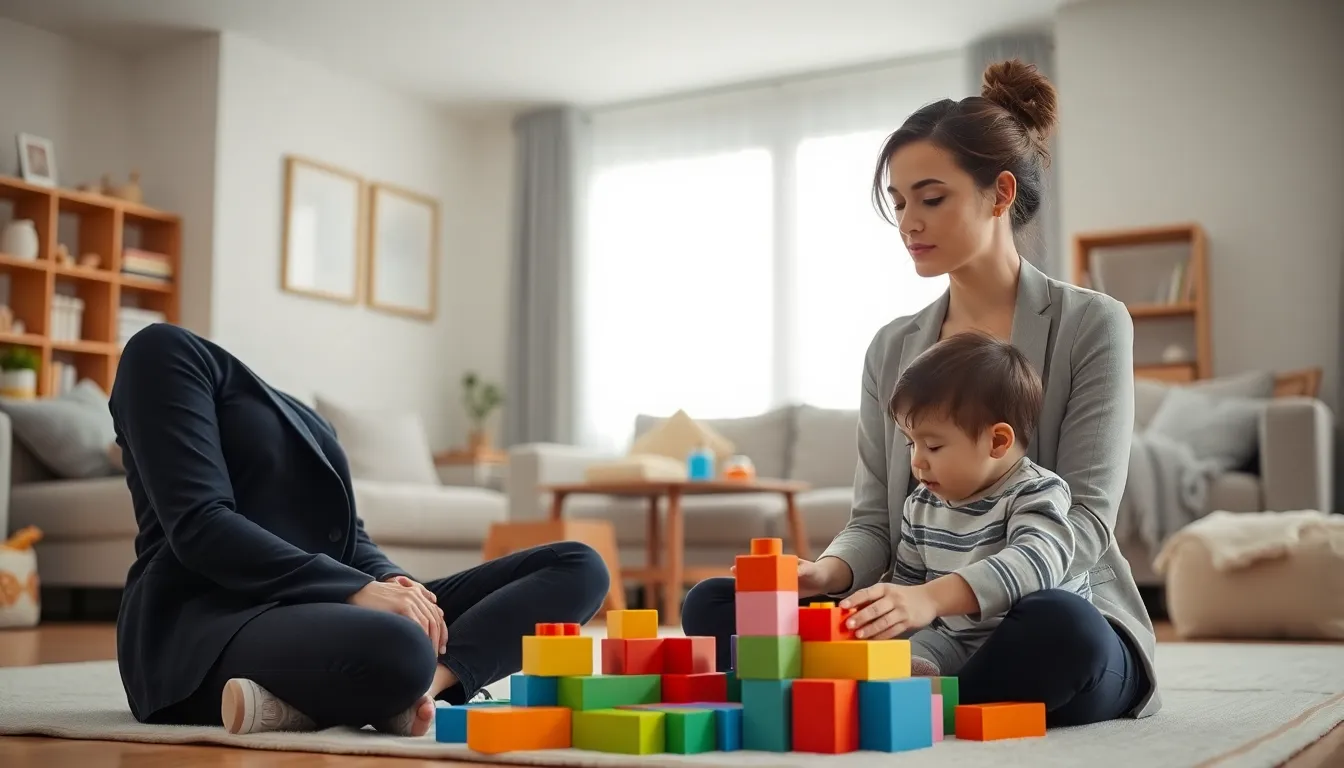
Ever wondered how to raise a confident and capable child without the drama? Meet RIE parenting, where respect reigns supreme. This approach isn’t just about avoiding tantrums: it’s about nurturing independence and building genuine connections. Immerse to discover how RIE parenting can transform your parenting game and make you the coolest parent on the block, minus the chaos.
Understanding RIE Parenting
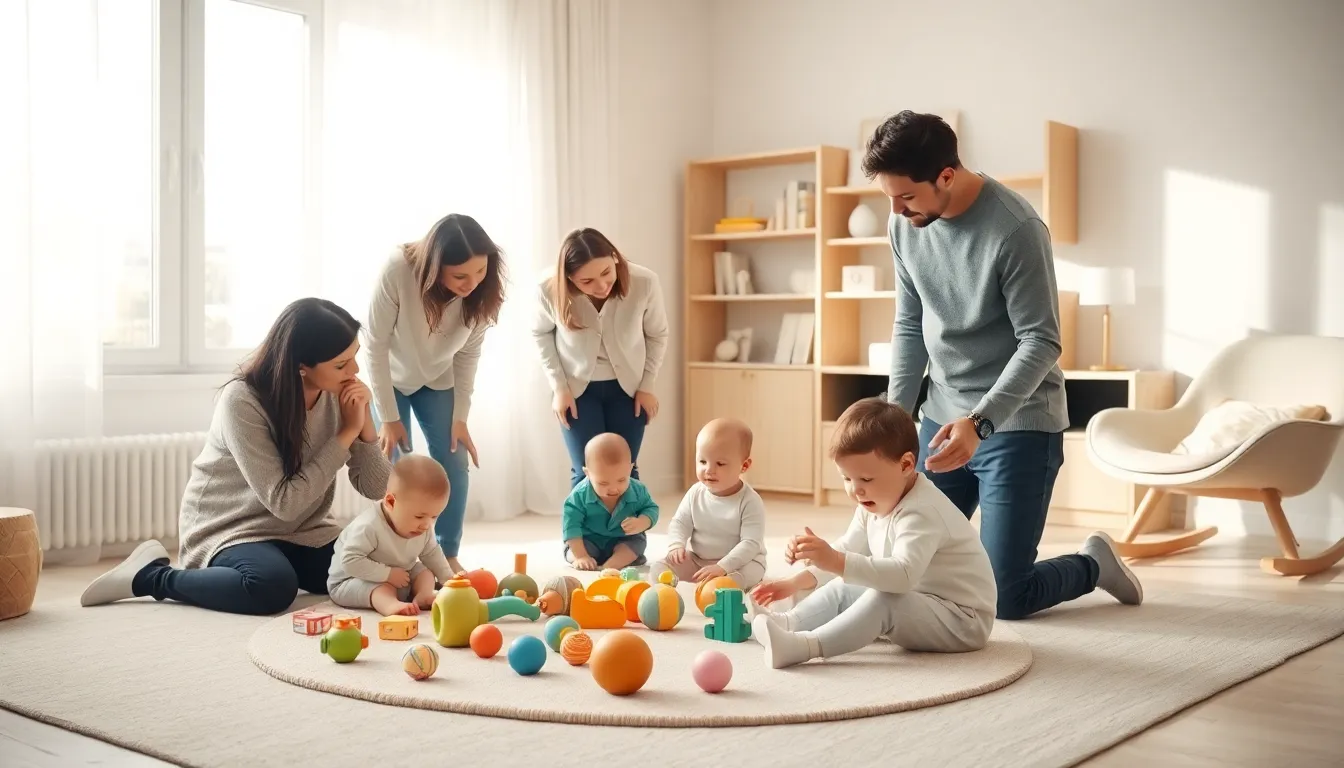
RIE, which stands for Resources for Infant Educarers, is more than just a parenting trend: it’s a philosophy that revolves around respect and trust. Founded by Magda Gerber in the 1970s, RIE focuses on treating infants and toddlers as capable individuals. The beauty of this approach lies in its simplicity and effectiveness. It emphasizes the importance of viewing children as active participants in their own learning and development.
At its core, RIE parenting acknowledges that children thrive when given the freedom to explore and make choices. Parents often feel the instinct to guide every step, but RIE encourages them to step back, offering support without micromanaging. Understanding this philosophy takes patience, but that’s where the magic begins.
Key Principles of RIE Parenting
RIE parenting is guided by several key principles that help shape respectful interactions between parents and children. Let’s break them down:
The Role of Observation in RIE Parenting
Observing rather than directing is a cornerstone of RIE. By watching how children interact with their surroundings, parents gain insights into their needs and preferences. This isn’t just some passive activity: it’s active listening in its finest form. This practice allows parents to step in only when necessary, empowering their children to discover solutions on their own.
Creating a Safe and Nurturing Environment
Safety is paramount. RIE parenting promotes an environment where children can explore freely without constant intervention. This means child-proofing your home while also letting go of the urge to hover. A nurturing space encourages curiosity, inspiring children to engage in self-directed play. When they feel safe, they grow more confident.
Encouraging Independence in Children
One of the standout features of RIE parenting is its emphasis on fostering independence in children. It’s all about letting kids do their thing, whether it’s mastering the art of self-feeding or navigating social interactions on their own terms.
By providing opportunities for children to make choices, parents validate their abilities and instill confidence. How about letting them pick their outfit for the day? Sure, if they choose polka dots with stripes, it’s a little alarming, but it’s all part of learning. These experiences help children understand that they have a voice and can express their preferences, eventually making them more decisive.
Independence may not come without its challenges. There will be messes, tantrums, and the occasional “I can do it myself.” moment. But guess what? That’s all part of the ride. Each challenge serves as a learning opportunity.
Building Strong Parent-Child Connections
Connection is central to RIE parenting. Building a strong bond requires time, patience, and mutual respect. Engaging with children through play, conversation, and everyday activities strengthens this connection exponentially.
Mindful interactions, being present and genuinely tuning in to their experiences, create a nurturing atmosphere. When parents are fully engaged, children feel valued. They learn to trust their caregivers, which fosters a sense of security and emotional resilience.
This deep connection also means acknowledging their feelings, both the happy and the not-so-happy ones. Validating emotions reinforces the message that it’s okay to express oneself freely.
Challenges and Misconceptions About RIE Parenting
Even though its effectiveness, RIE parenting can be misunderstood. Some people misinterpret this approach as allowing children to run wild without boundaries. In reality, it’s about finding a balance between freedom and guidance. RIE parenting isn’t about abdication: it’s about partnership.
Another misconception is that RIE techniques are only applicable to infants. While the principles begin there, they evolve beautifully as children grow. Parents may feel unsure about how to adapt RIE practices to older kids, but it’s all about maintaining those key elements, respect, observation, and support.
Like any parenting style, challenges arise. Implementing RIE requires a shift in mindset, which can be daunting. But with practice and patience, parents can reap the rewards of this fulfilling approach.