

In a world where kale smoothies and HIIT workouts reign supreme, health and fitness magazines have evolved into essential guides for anyone looking to enhance their well-being. But let’s be real for a moment, how many of us have flipped through the glossy pages, only to feel overwhelmed or confused by the onslaught of fitness tips that require a PhD in exercise science? Fear not. This article dives into the evolution of these publications, their key features, the target demographics they serve, and what the future holds for those glossy pages. So grab your protein shake, and let’s get started.
The Evolution Of Health And Fitness Magazines
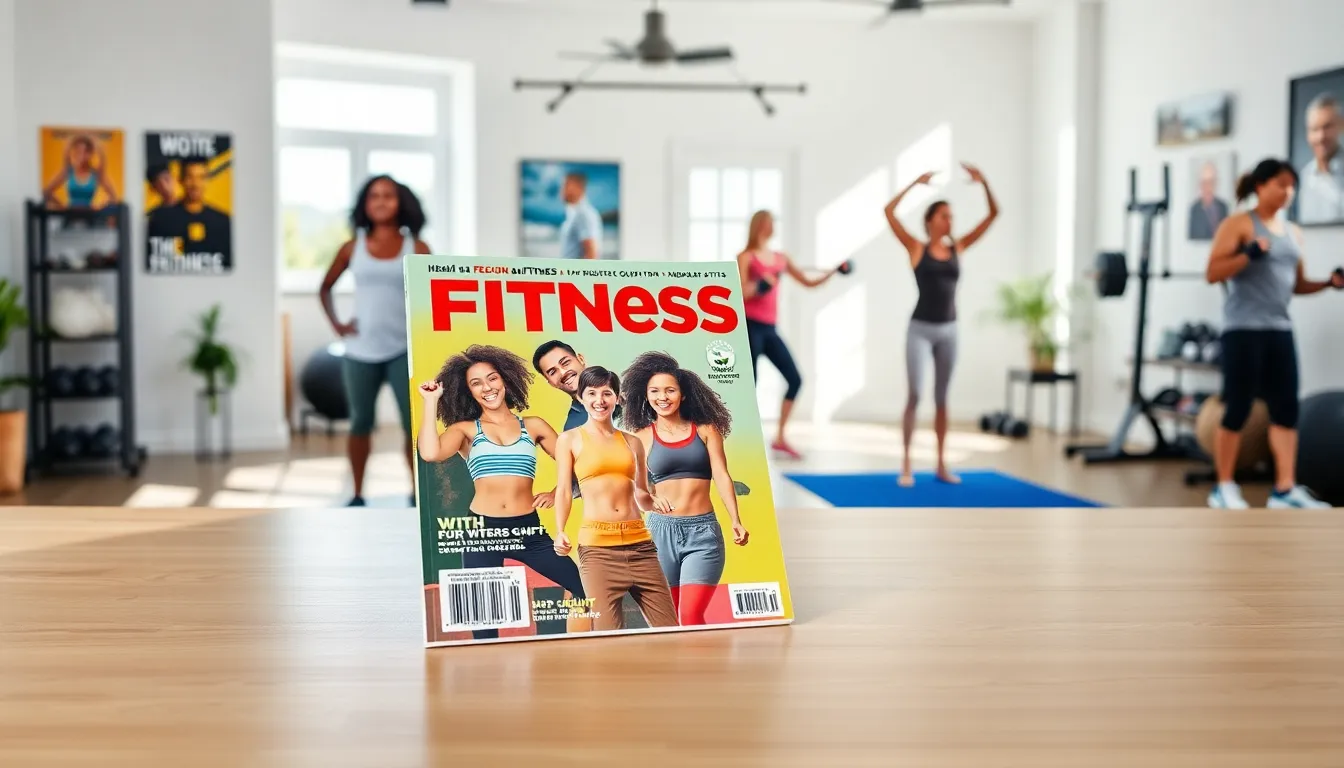
Health and fitness magazines have come a long way since their inception. What started in the mid-20th century as simple brochures featuring weightlifting tips and health recipes has exploded into a multi-billion-dollar industry. Early publications often carried a no-nonsense attitude, focusing predominantly on bodybuilding and nutrition, appealing largely to men. But, the ‘80s and ‘90s heralded a shift. Suddenly, fitness wasn’t just for athletes: it was for everyone. As aerobics classes became trendy, magazines like Shape and Fitness began to flourish. They catered to a broader audience, introducing workouts, healthy cooking, and beauty advice geared toward women.
Fast forward to today, and these magazines have fully embraced the digital age. With online versions and enhanced interactivity through apps, they manage to keep pace with the ever-changing interests of fitness enthusiasts. The shift from print to digital has not only made these resources more accessible but also allowed for a more dynamic presentation of content. Readers can now interact better, find localized advice, and even participate in community challenges, all through the magic of their smartphones.
Key Features Of Popular Magazines
What makes health and fitness magazines stand out among the sea of publications? First and foremost, their engaging layout is designed to keep readers hooked. Popular magazines such as Men’s Health and Women’s Health feature vibrant imagery that showcases real people achieving real results. Ads for activewear and fitness gadgets often clash with success stories, creating a thrilling narrative that aligns with readers’ aspirations.
Also, articles are often penned by experts in the field, whether they’re fitness trainers, nutritionists, or psychologists. This lends credibility to the content. Expect to find workout routines woven together with nutrition tips and motivational quotes that resonate deeply with health-seekers.
Another key feature is the section diversity. Common sections include:
- Workout Guides: Tailored exercises for different fitness levels.
- Nutrition Advice: Recipes and meal plans that make healthy eating delicious.
- Mind and Body: Content focusing on mental health and wellness.
Each section serves a purpose, creating a holistic approach to fitness that encourages comprehensive lifestyle changes.
Target Audience And Demographics
Health and fitness magazines have effectively cultivated a diverse readership. While earlier publications focused predominantly on men and bodybuilding, today’s audience spans various ages, genders, and fitness levels. The democratization of fitness has led to a more inclusive approach that attracts not only gym buffs but also beginners, families, and busy professionals looking for effective tips on maintaining their health.
More specifically,
- Young Adults (18-34): This demographic seeks innovative workout trends, healthy eating hacks, and holistic wellness advice.
- Middle-Aged Adults (35-54): Readers in this group often look for sustainable fitness routines, injury prevention, and ways to maintain vitality as they age.
- Seniors (55+): A growing segment, seniors appreciate content focused on low-impact exercises, health management, and wellness strategies tailored for longevity.
Magazines often incorporate articles targeting these niches, ensuring that everyone finds content that resonates with their unique fitness journeys.
Trends Influencing Content And Design
Keeping readers engaged requires magazines to adapt to both content and design trends. Recently, there’s been a noticeable push toward incorporating digital elements into print layouts. Think QR codes leading to video tutorials or augmented reality features that provide an interactive experience.
On the content side, personalization is becoming key. Many magazines now offer tailored fitness plans based on reader surveys, preferences, and local trends. Also, topics like mental health and emotional wellness have also begun to infiltrate traditional fitness content. Articles addressing the relationship between mental toughness and physical fitness resonate well with readers, making them feel understood and validated.
Another trend seen across the board is sustainability. Magazines are increasingly discussing eco-friendly products and sustainable lifestyles, aligning readers’ fitness journeys with their values.
How To Choose The Right Magazine For Your Goals
Selecting a health and fitness magazine can be a challenging job. The key lies in aligning your choice with your personal goals. Are you looking to bulk up, slim down, or simply maintain a healthy lifestyle? Here’s how to narrow it down:
- Identify Your Goals: Knowing whether your focus is on weight loss, strength training, or overall well-being will guide your selection.
- Research the Content: Peruse online reviews or social media mentions to understand what other readers appreciate about the magazine’s focus and style.
- Consider the Experts: Look for magazines that feature articles from contributors you trust. Having knowledgeable voices can make all the difference in ensuring you’re receiving reliable information.
- Assess Visual Appeal: While content is vital, the design should also appeal to you. Visuals can be motivating, so find a magazine that excites you every time you pick it up.
The Future Of Health And Fitness Magazines
The landscape for health and fitness magazines continues to shift in exciting ways. With the advancements in technology, expect a convergence of different media. Digital magazines are likely to become more engaging, incorporating more interactive elements like live workouts and virtual reality fitness experiences.
Also, with an increased focus on personalized approaches to fitness, magazines may begin to offer specialized editions aimed at niche audiences. There’s a strong possibility for interactive subscription models, where readers could receive tailored content based on their fitness journey stages.
As public interest in integrative health rises, magazines will pivot toward more comprehensive guides that address encompassing lifestyles, blending physical, mental, and social health into their features.