
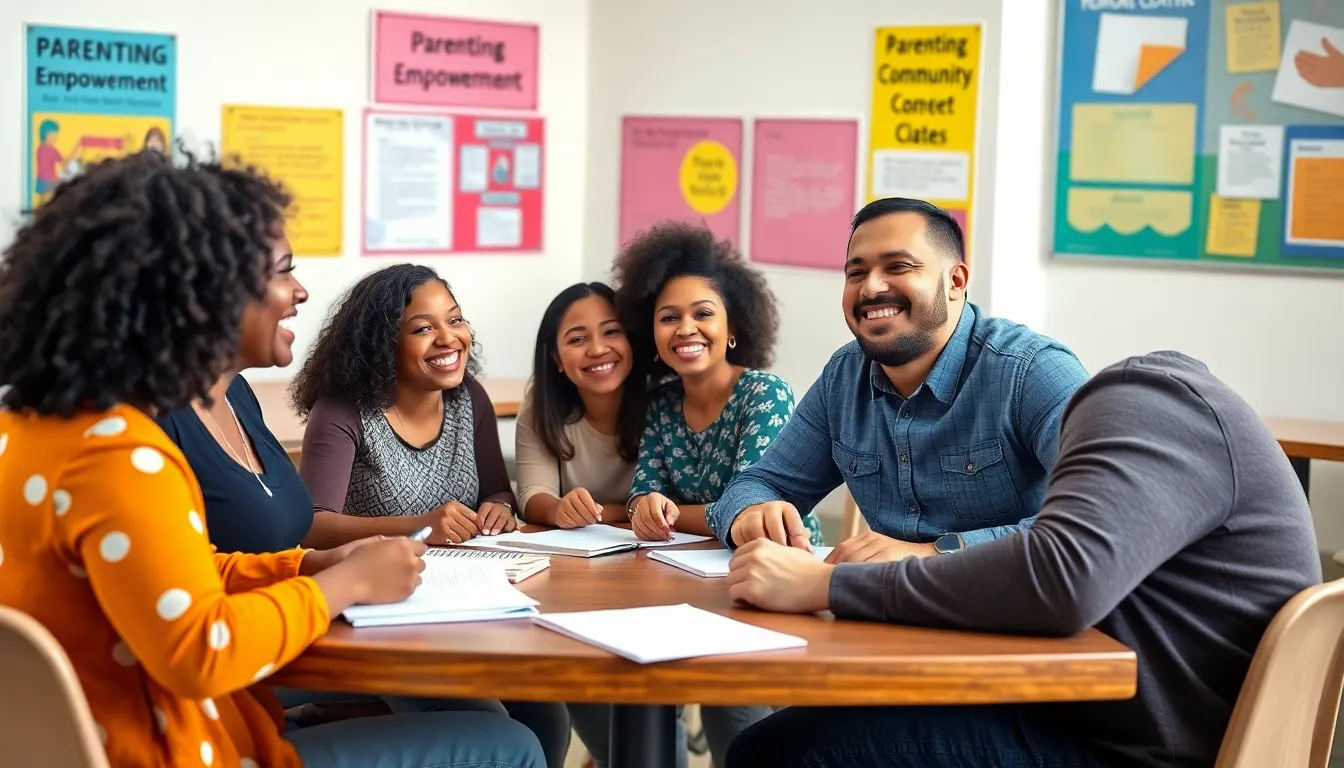
In today’s fast-paced world, parenting can feel overwhelming. Many parents grapple with the pressure to raise successful, happy children while managing their own lives. Understanding the concept of parenting empowerment can be a game-changer. It shifts the focus from mere survival to thriving in the parenting journey.
Parenting empowerment emphasizes building confidence and resilience in both parents and children. By fostering a supportive environment, parents can cultivate essential skills that lead to healthier family dynamics. This approach not only enhances the parent-child relationship but also equips families to navigate challenges with grace and strength. Embracing this mindset can transform the parenting experience, creating a strong foundation for future generations.
Table of Contents
ToggleUnderstanding Parenting Empowerment
Parenting empowerment focuses on instilling confidence and resilience in parents and their children. This approach emphasizes creating a supportive environment that fosters healthy family dynamics.
Definition of Parenting Empowerment
Parenting empowerment refers to the process through which parents gain the skills, knowledge, and confidence needed to raise their children effectively. It involves understanding children’s developmental needs, recognizing one’s parenting style, and creating a nurturing atmosphere. Empowered parents actively engage in decision-making regarding their child’s education, health, and emotional well-being.
Importance of Parenting Empowerment
Parenting empowerment plays a crucial role in fostering positive family dynamics. Empowered parents can:
- Build stronger relationships: Healthy communication and mutual respect strengthen family bonds.
- Enhance child development: Confident parents provide appropriate support, fostering emotional and cognitive growth in children.
- Encourage independence: Empowering parents instill problem-solving skills, promoting self-reliance in children.
- Create resilience: Strong parental guidance helps children navigate challenges and develop coping strategies.
- Improve mental health: Empowered parents experience reduced stress and increased satisfaction in their parenting journey.
By prioritizing parenting empowerment, families can thrive together and cultivate a foundation for future success.
Key Aspects of Parenting Empowerment
Parenting empowerment involves several key aspects that enhance the abilities of parents in nurturing and raising their children. Understanding these aspects helps create a balanced and supportive family environment.
Self-Efficacy in Parenting
Self-efficacy refers to a parent’s belief in their ability to influence their child’s development positively. Parents with high self-efficacy exhibit confidence in their parenting decisions and approaches. They set realistic expectations, manage stress effectively, and cultivate a growth mindset. Research indicates that parents who view themselves as capable are more likely to engage in proactive behaviors, such as seeking resources, participating in their child’s education, and implementing effective discipline strategies. This self-assurance fosters resilience in both parents and children, enabling them to face challenges together.
Effective Communication Skills
Effective communication is vital for building strong relationships within families. Parents who communicate openly and warmly create an atmosphere of trust and respect. Utilizing active listening techniques enhances mutual understanding. Clear expression of needs, feelings, and expectations reduces confusion and conflict. Regular family discussions encourage children to voice their thoughts and questions, fostering their critical thinking skills. Studies show that positive communication correlates with improved social skills in children, enabling them to navigate relationships successfully as they grow.
Strategies for Achieving Parenting Empowerment
Building a foundation for parenting empowerment includes effective strategies, such as creating connections and using available tools. These strategies enhance parenting skills and nurture family well-being.
Building a Support Network
Building a support network is crucial for parenting empowerment. Parents can connect with other families, friends, and community groups to share experiences and advice. Networking fosters collaboration and allows parents to exchange best practices. Joining local parenting organizations provides access to events, resources, and expert guidance. Additionally, online platforms offer forums for discussing challenges and seeking solutions, making it easier for parents to find encouragement and support.
Utilizing Resources and Workshops
Utilizing resources and workshops further strengthens parenting skills. Parents can participate in workshops that focus on effective communication, child development, and positive discipline techniques. These educational programs enhance self-efficacy and provide practical tools for daily parenting situations. Additionally, accessing online resources such as articles, podcasts, and videos helps parents stay informed about various parenting topics. Leveraging community services can also provide tailored support tailored to specific needs, enabling parents to navigate challenges with confidence.
The Role of Community in Parenting Empowerment
Community plays a crucial role in empowering parents, providing resources and support that enhance their parenting journey. By engaging with local services and collaborating with fellow parents, individuals find valuable avenues for growth and knowledge.
Engaging Local Support Services
Engaging local support services strengthens parenting empowerment. Community centers, mental health organizations, and family resource centers offer programs that address various parenting challenges. These services include parenting classes, counseling, and support groups. For example:
- Parenting Workshops: Workshops focus on child development, discipline strategies, and effective communication.
- Counseling Services: Access to mental health professionals helps parents cope with stress and build resilience.
- Support Groups: Connection with other parents facing similar challenges fosters a sense of belonging and shared experiences.
Utilizing these resources provides parents with the tools necessary to create a nurturing environment.
Collaborating with Other Parents
Collaborating with other parents enhances the sense of community and provides practical support. Parents can:
- Form Support Networks: Establishing local parenting groups encourages shared advice and collaborative problem-solving.
- Organize Playdates: Regular interactions among children promote social skills and create a supportive environment for parents.
- Share Resources: Exchanging helpful information, such as educational materials or childcare options, strengthens community bonds.
These collaborative efforts foster a sense of empowerment, helping parents navigate challenges and share effective strategies.
Parenting empowerment is a vital approach that transforms the parenting experience. By fostering confidence and resilience, parents can create nurturing environments that benefit both themselves and their children. Embracing effective communication and building strong support networks further enhances this journey.
As parents engage with their communities and access valuable resources, they equip themselves with the tools needed to navigate challenges with assurance. This empowered mindset not only strengthens family bonds but also lays the groundwork for future generations to thrive. Ultimately, prioritizing parenting empowerment leads to healthier relationships and a brighter future for families.